


Emerging regions and new revenue opportunities in Portugal
A strategic guide for travel advisors selling Portugal beyond Lisbon and Porto
Portugal continues to rank among Europe’s most in-demand destinations. Yet for many travel advisors, selling Portugal has become increasingly challenging due to price comparison, margin pressure and client familiarity with the destination.
One of the most effective ways to protect margins and create differentiation is by expanding itineraries beyond Lisbon and Porto and leveraging Portugal’s emerging regions.
These regions offer lower saturation, stronger storytelling potential and greater flexibility in pricing — key advantages in a price-sensitive market.
Why Emerging Regions Matter for Travel Advisors
Highly trafficked destinations tend to suffer from:
Transparent pricing
Limited availability
Experience commoditisation
Reduced margin flexibility
Emerging regions in Portugal allow travel advisors to:
Reduce direct price comparison
Introduce exclusivity without inaccessibility
Create higher perceived value
Design more profitable, differentiated itineraries
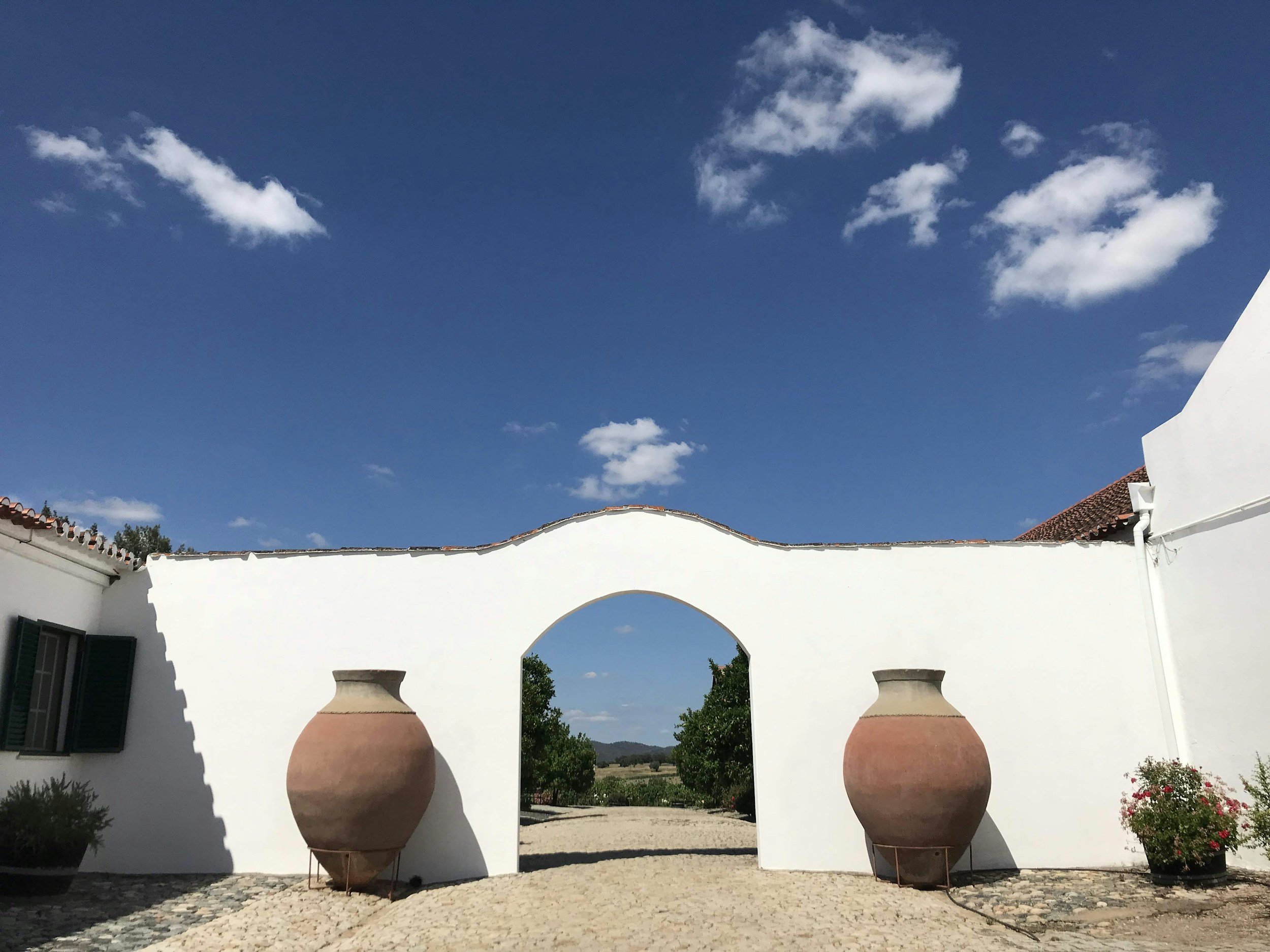
Alentejo: Space, Authenticity and Quiet Luxury
Alentejo has become one of Portugal’s strongest regions for high-value, slow travel.
Commercial advantages
Low-density landscapes and heritage towns
Wine estates, olive farms and private properties
Strong appeal for gastronomy, wellness and cultural immersion
Revenue potential
Alentejo supports longer stays with a sense of depth rather than repetition, making it ideal for premium, experience-led programs.
Silver Coast: Coastal Portugal Without Algarve Saturation
Located north of Lisbon, the Silver Coast offers Atlantic scenery, historic towns and strong local identity.
Commercial advantages
Proximity to Lisbon with fewer crowds
Cultural and coastal experiences rooted in authenticity
Flexible accommodation and experience pricing
Revenue potential
Ideal for advisors seeking coastal programs that feel distinctive without Algarve-level price pressure.
Central Portugal: Heritage and Storytelling Power
Central Portugal is rich in medieval towns, rural traditions and UNESCO heritage.
Commercial advantages
Strong cultural and historical narratives
Mountain landscapes and traditional villages
Ideal for off-the-beaten-path and cultural travellers
Revenue potential
High storytelling value allows advisors to sell meaning and narrative rather than logistics alone.
Douro Valley Beyond River Cruises
The Douro Valley is widely known, but often underutilised beyond cruising.
Commercial advantages
World’s first demarcated wine region
Private estates, scenic drives and curated tastings
Strong emotional appeal linked to wine and history
Revenue potential
Land-based Douro programs support higher perceived value and deeper engagement than cruise-only itineraries.
Azores: Nature, Exclusivity and Accessibility
The Azores offer one of Europe’s most distinctive nature-based travel experiences.
Commercial advantages
Volcanic landscapes, lakes and marine life
Growing direct air access from Europe and North America
Strong sustainability credentials
Revenue potential
Lower flight costs compared to long-haul destinations allow clients to invest more in experiences on the ground.
Madeira Beyond Funchal
Madeira is evolving into a refined destination for longer, experience-led stays.
Commercial advantages
Year-round mild climate
Scenic walking routes, gardens and coastal landscapes
Appeal for wellness and soft adventure travel
Revenue potential
Supports higher spend through pacing and extended stays without itinerary fatigue.
Final Thoughts for Travel Advisors
Emerging regions are not simply alternatives to Lisbon and Porto — they are strategic tools.
They help travel advisors:
Reduce price sensitivity
Protect margins
Deliver differentiated experiences
Strengthen long-term client satisfaction
Portugal’s competitive advantage lies not only in what is well known — but in what is still quietly exceptional.
For a deeper strategic perspective, including margin structure, local coordination and expectation management, download our free guide:
Selling Portugal with Confidence
👉 Download the guide
Warm regards,
Singulartrips
Why local coordination matters
What clients don’t see — but always feel
In today’s travel landscape, clients often focus on what is visible: hotels, guides, experiences, and pricing.
What they rarely see — yet immediately feel — is local coordination.
In destinations like Portugal, where experiences rely on timing, relationships, and cultural nuance, strong local coordination is not a luxury.
It is the difference between a smooth journey and a fragile one.
Local coordination matters because:
It ensures seamless flow between experiences
It anticipates issues before they reach the client
It adapts programs in real time
It protects the experience when conditions change
Anyone can book services.
Not everyone can orchestrate a journey.
When local coordination is strong, clients feel:
Looked after without being managed
Confident without knowing why
Relaxed enough to fully engage
This invisible layer is often what defines whether an experience feels premium — or merely expensive.
At Singulartrips, local coordination is not an operational detail.
It is a core value driver that safeguards quality, protects margin, and reinforces trust — for both clients and travel advisors.
Because the best trips are not just well designed.
They are well held, from start to finish.
If you’d like to explore how strong local coordination strengthens your programs — and your positioning — we’d be happy to continue the conversation.
Warm regards,
Singulartrips

Creating value without discounting
Why smarter design beats lower prices.
In today’s travel market, discounting often feels like the fastest solution — but rarely the smartest one.
When prices are lowered, value is rarely perceived as higher.
Instead, confidence erodes, expectations increase, and margins suffer.
The most successful travel advisors understand a simple truth:
value is created long before price is discussed.
In destinations like Portugal, where clients believe they already “know” the destination, differentiation doesn’t come from cheaper hotels or shorter programs.
It comes from how the journey is designed, explained, and delivered.
Value is created when:
Experiences are difficult to replicate independently
Access replaces availability
Stories replace descriptions
Flow replaces packed itineraries
Discounting responds to price objections.
Design responds to expectations.
When clients clearly understand why an experience is different, price becomes contextual — not comparative.
At Singulartrips, we focus on creating journeys where the value is visible, tangible, and emotionally compelling — so discounting is no longer part of the conversation.
Because protecting margin isn’t about saying no to clients.
It’s about giving them something worth saying yes to.
If you’re exploring ways to create stronger value propositions without compromising positioning, we’d be glad to exchange ideas.
Warm regards,
Singulartrips
Selling Portugal in a price-sensitive market
How to protect margins without competing on price.
Portugal is one of Europe’s most desirable destinations — and also one of the most price-compared.
As Portugal becomes increasingly visible, many travel advisors face the same challenge:
clients compare programs quickly, expectations rise, and margins come under pressure.
But price sensitivity is rarely about price alone.
It’s about how the experience is positioned.
When Portugal is sold as a checklist — cities, hotels, tastings — the conversation inevitably turns transactional.
When it is sold as access, cultural depth, storytelling, and emotional value, price becomes secondary.
At Singulartrips, we believe Portugal sells best when it is curated, not packaged:
Exclusive access over standard sightseeing
Meaningful stories over rigid itineraries
Seamless flow over rushed volume
Experiences that are difficult to replicate independently
Portugal still offers strong margin potential — when expertise, local relationships, and intelligent design are visible to the client.
Selling Portugal profitably today isn’t about being cheaper.
It’s about being clearer, smarter, and more intentional.
If you’d like to explore how tailor-made Portugal programs can help you protect both positioning and margin, we’re happy to continue the conversation.
Warm regards,
Singulartrips

Managing travellers’expectations in uncertain times
Why clarity builds confidence — for clients and advisors alike
Uncertainty has become part of today’s travel reality.
From fluctuating prices and availability to operational adjustments on the ground, clients are navigating a landscape that feels less predictable — even in well-known destinations like Portugal.
In this context, the most valuable skill a travel advisor can offer is not control —
it is expectation management.
Managing expectations doesn’t mean lowering standards.
It means setting them clearly, honestly, and intelligently from the very beginning.
When expectations are aligned:
Clients feel informed, not anxious
Changes feel managed, not disruptive
Trust increases — even when plans adapt
When expectations are unclear, even excellent experiences can feel disappointing.
In uncertain times, clarity becomes a luxury.
Strong programs are not defined by perfection, but by:
Transparent communication
Thoughtful framing of what truly matters
Partners on the ground who can adapt calmly and decisively
At Singulartrips, we see expectation management as part of the experience itself — a layer that protects quality, reinforces trust, and supports long-term relationships.
Because when clients know what to expect, they are free to enjoy what unfolds.
If you’re navigating complex client expectations in a changing market, we’d be glad to exchange perspectives.
Warm regards,
Singulartrips